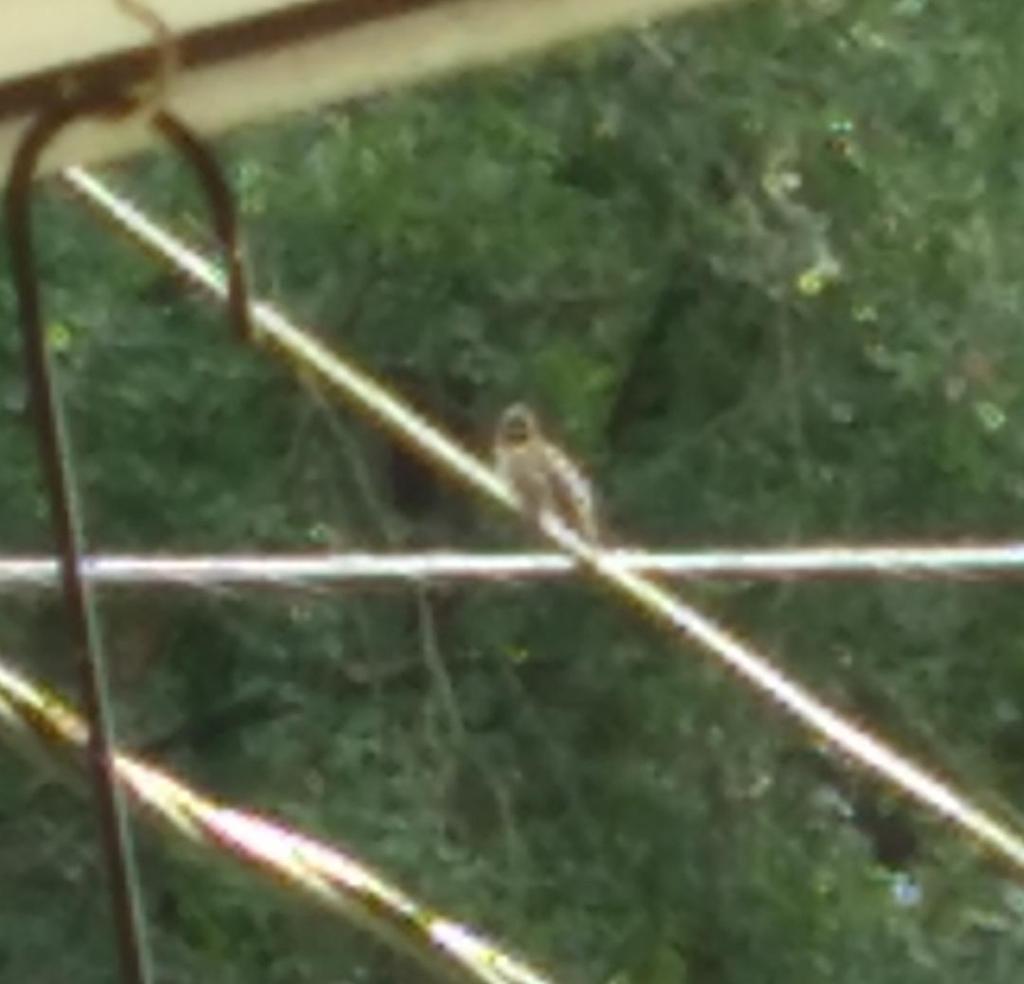
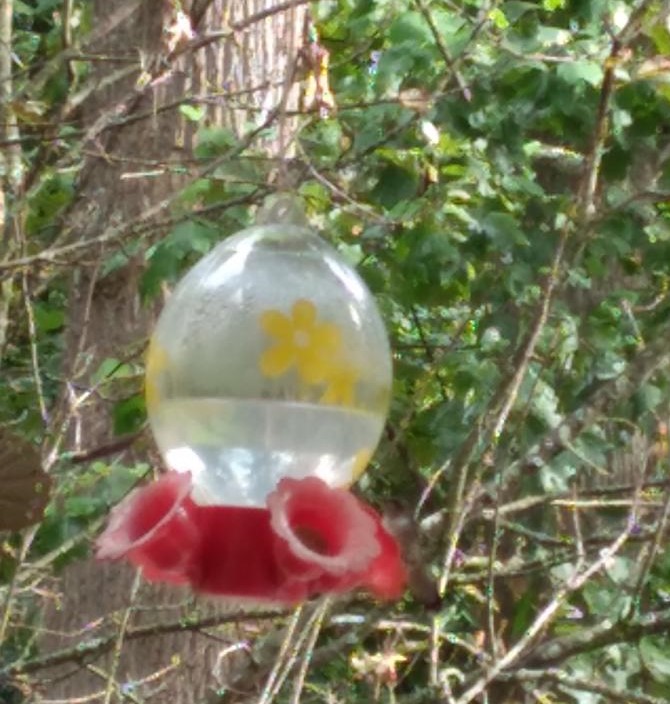
You can always tell it is full summer when the hummer wars begin. We hang out two feeders, and early in the summer, there is no competition for the feeders. But at some point, a male hummer takes possession of the feeders, and chases off any interloper.eH That is the line of demarcation between low and high summer. The sound track of high summer consists of the shrill calls of the katydid, along with the pulsating sounds of the cicadas. Weeds even grow dormant as the relentless heat bakes us during this drought we find ourselves in. Leaves on the trees were impressively green despite the lack of moisture, but now the leaves are tinged more often in shades of yellow and brown and the ground is littered with the shriveled hulks of the losers in the moisture war. So last week, we got over 2 1/2” of rain at one time that was not forecast. It probably will be too little too late for anything other than the weeds.
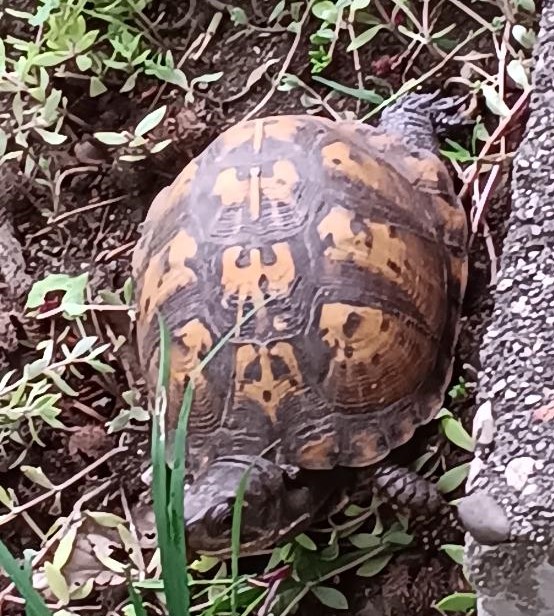
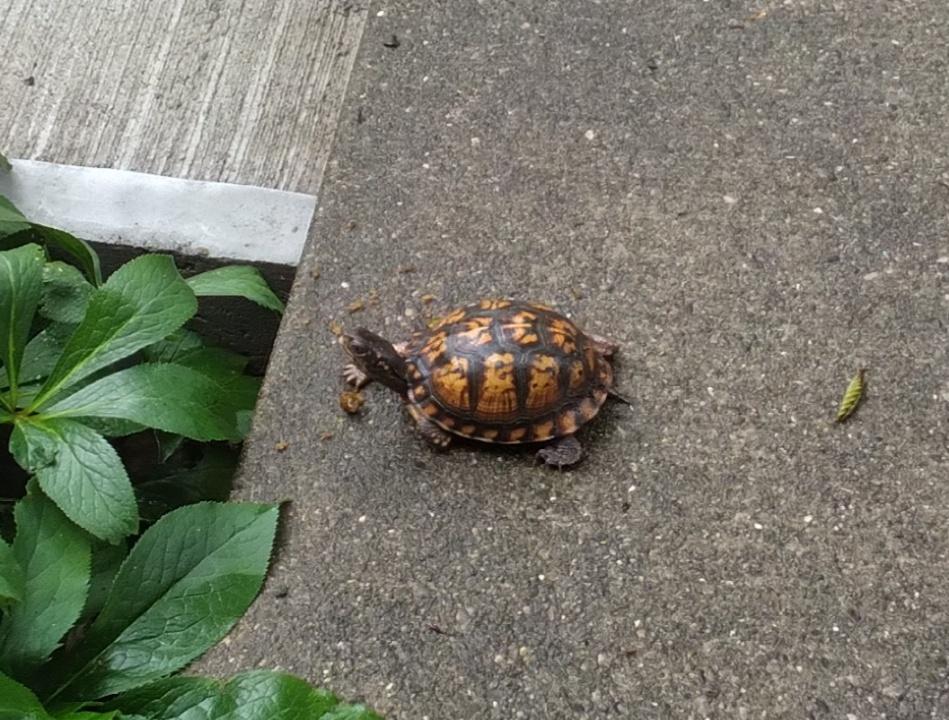
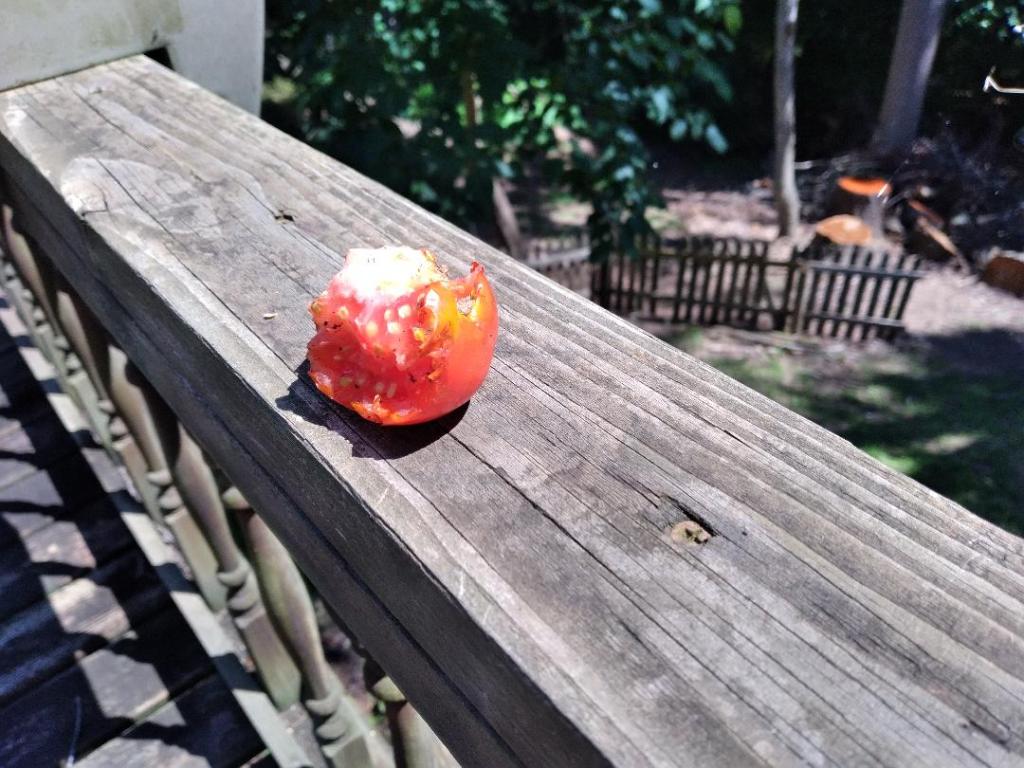
It is time to take stock of the other species who share our land. I see the neon-blue skinks as they skitter across our small retaining wall while I weed. Once I saw the box turtle who lives on our hillside, coming down our front slope. It must have survived the existential journey across our street, since even on our quiet street, we average 3 vehicles per minute. I wonder how I must have appeared to the turtle, who was looking up at this horrendously large being, trying to determine whether it would be worthwhile to pull head and legs inside of the protective shell. I left the box turtle to explore on its own, and went back inside. I saw it cross our steps, but then it disappeared. I’m just glad to see it back for another year. I do remember one year when I saw turtles mating in the back yard. It is tough not to anthropomorphize when you see them slowly turn their heads toward you, as if to say, “Hey! How about a little privacy here.”

We can never go far away from our largest visitors – the deer. Each year we see the new generation grace our yard. This one was particularly noisy as the fawn nursed on our driveway. There are two fawns that like to lay down in our back yard. No pictures of them dining from their mother. Soon the fawn’s spots will fade, and they will take on the behavior of their parents. By this time next year, we may swear at them if they forage in our flowers or our garden. But at this age, their cuteness wins them a bit of a reprieve.

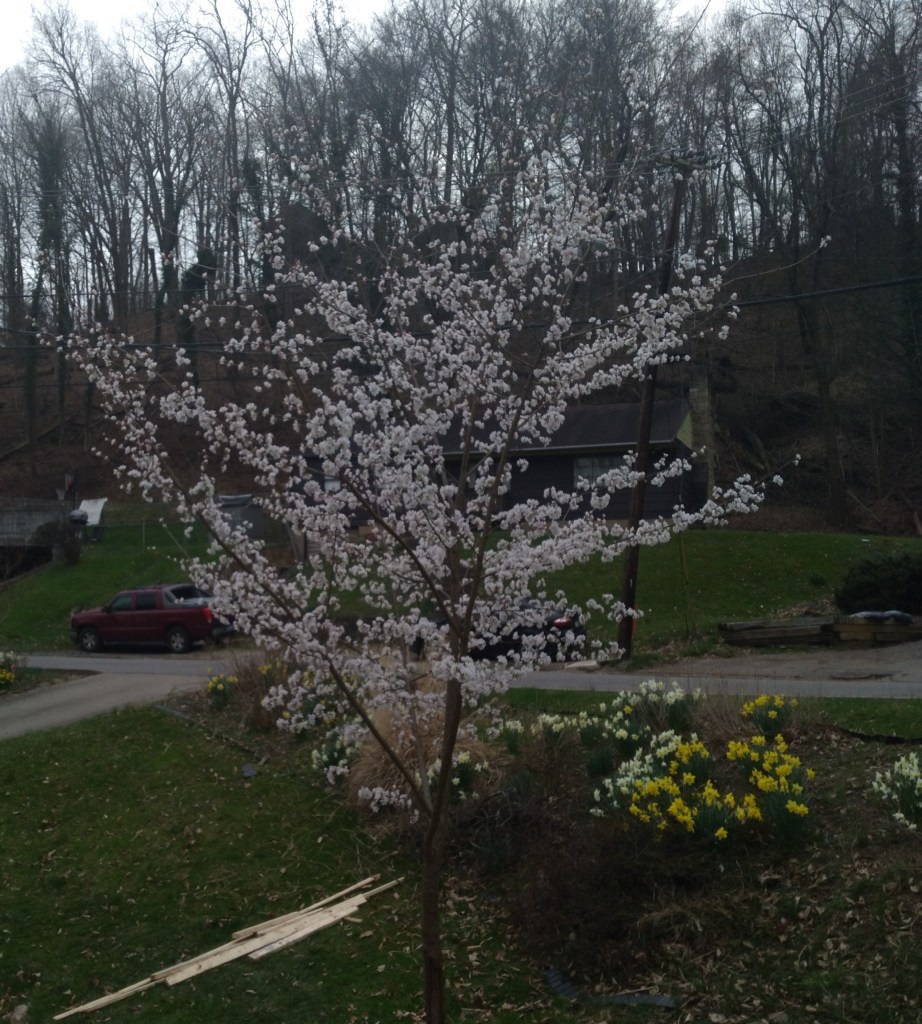
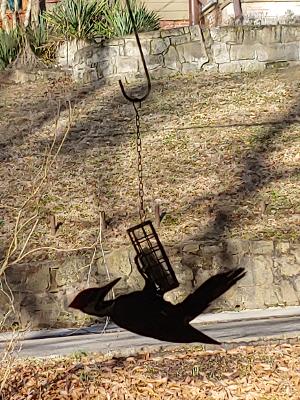
There are some visitors to our hummingbird feeders that do not elicit a territorial response. The flickers sneak up on the feeder, first trying out our cherry tree in the yard, then flying over to the palm we keep in our summer living room, and only then selecting the feeder as their ultimate destination – unless they notice us, in which case they are likely to fly away. They are ten times larger than the hummers, so it is not a direct competition between the two species. Then the red-headed woodpecker announces its presence by drilling our soffit. Soon our feeder is overwhelmed by the size of the latest visitor. I’m still waiting for the arrival of our pileated woodpecker, who dwarfs all other birds at our feeder. You can hear their call in our woods, so we know they are around. Every so often we see one partaking at the suet feeder when we hang it in winter, so we know they are familiar with our porch.
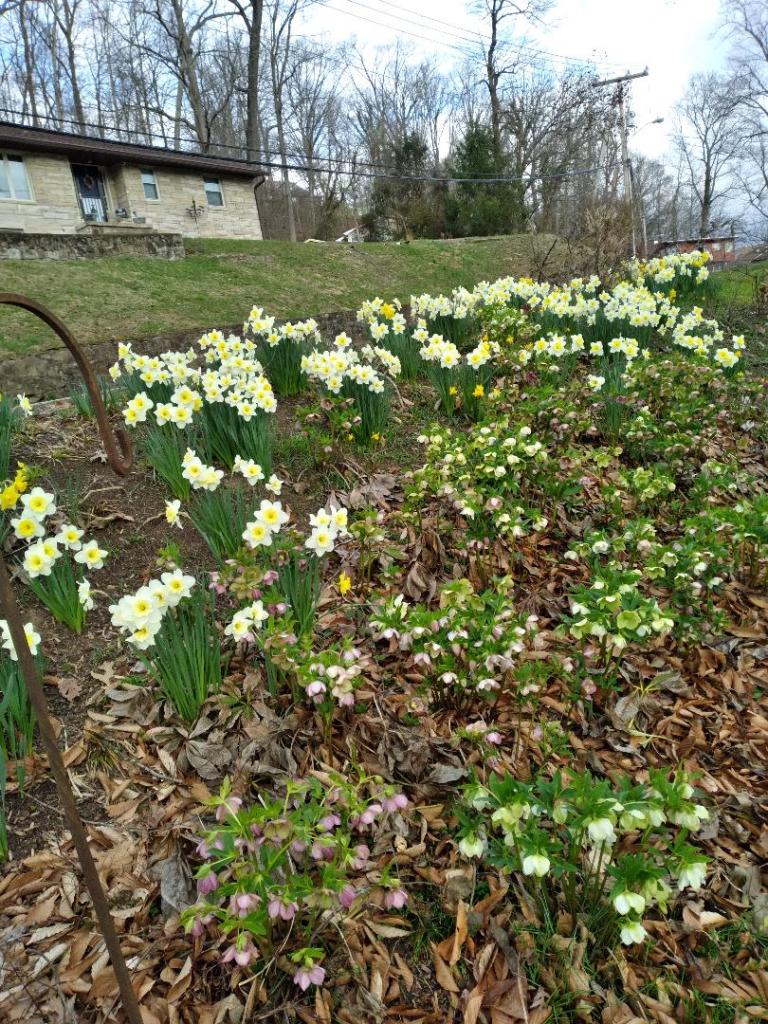
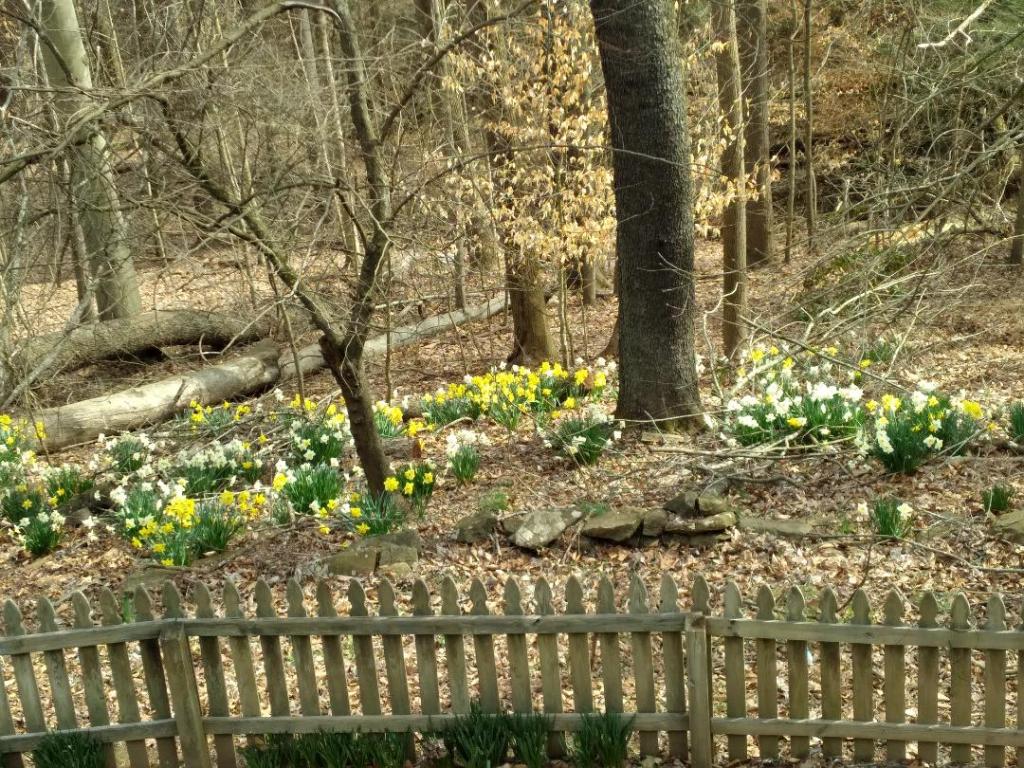
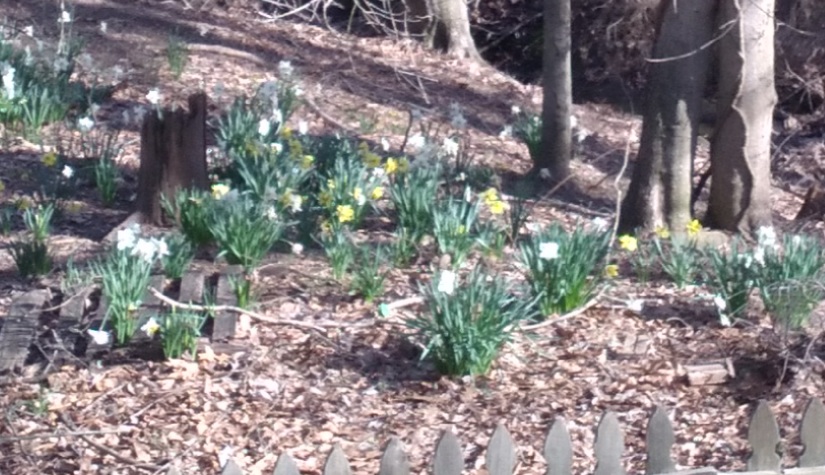
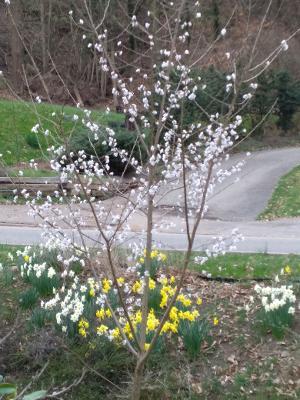
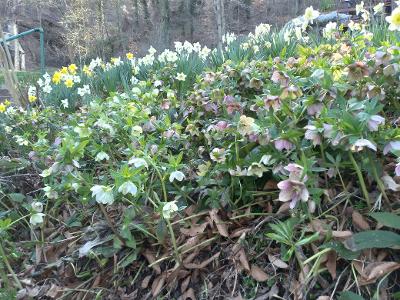
I survey our garden slopes at this time to find bulbs that have broken through the surface. If you work at it, weeding will uncover several clumps of daffodils and jonquils to distribute to others. It is amazing how a few bulbs can engender much good will when they emerge next spring in bloom. Daffodils from our yard are now growing in multiple states, and this year maybe in a few more.
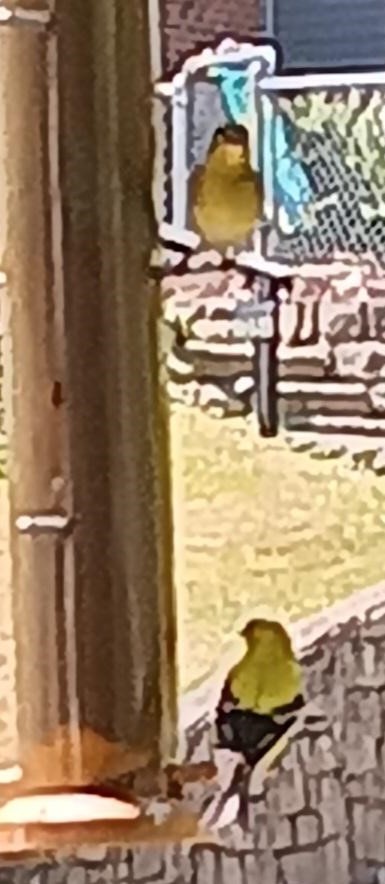
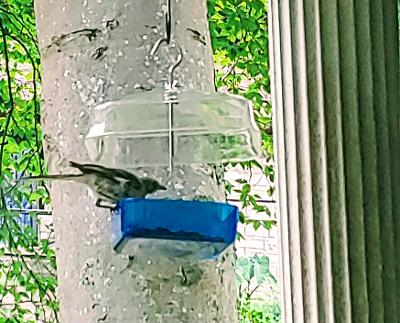
This year our finch feeder is attracting more chickadees than finches. But if you are patient, you may catch a finch seeking a nyjer seed fill. At least, this year no cowbird young are being fed by finch parents, as I’ve seen in the past. Cowbird bills won’t fit in the holes for smaller birds, so I’ve seen adoptive parent birds feeding young birds that should have fledged, but are still hanging around their smaller adult “parents”. I’ve wondered how a cowbird learns its life skills when they are raised by other species, but I won’t live long enough to get that answer.
Summer is a time to unplug and unwind. Even though we are retired, we have a hiatus from choir, chorus, and symphony rehearsals. The sport of summer, baseball, invites you into its slower rhythm, at least as compared to other sports. The drama of a pitcher/hitter confrontation plays out over minutes, while other sports whiz by in a blur of athleticism. That is why baseball is so good for summer, since it seems in synch with the slower pace of life. Soon we will see leaves fall for good, and the chillier air fits in with the faster paces of football and hockey. But baseball has a way of drawing you into believing that this is your year, only to dash that hope on the rocks of a poor bullpen. Oh, well, there’s always next year.







 Even A Broken Clock